First the care,
then the air.
Providing care for injured, ill, and orphaned native songbirds since 1993.
Wild Bird Rehabilitation
is the primary organization
in the State of Missouri
solely devoted to the care of songbirds.
Our mission is to ensure the survival of native songbirds through professional medical care and education regarding their value and needs. We also provide public education regarding the humane treatment of wild songbirds and the conservation of their habitat.
Our Story
-
![]()
The Beginning
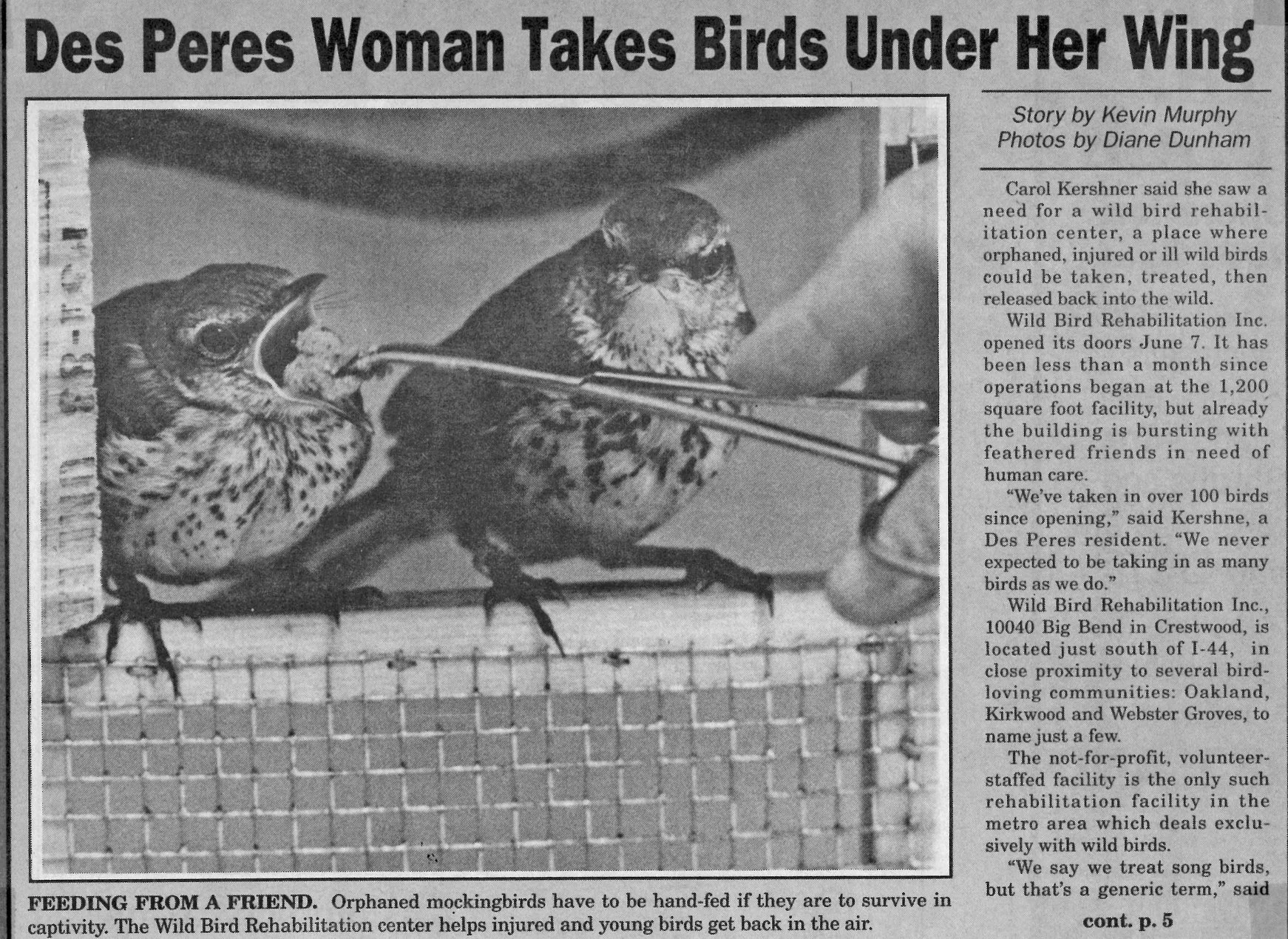
Established in 1993 by Carol Kershner, Wild Bird Rehabilitation began operations in a 1200 square foot facility on Big Bend Blvd in Crestwood.
-
![]()
Our Nest
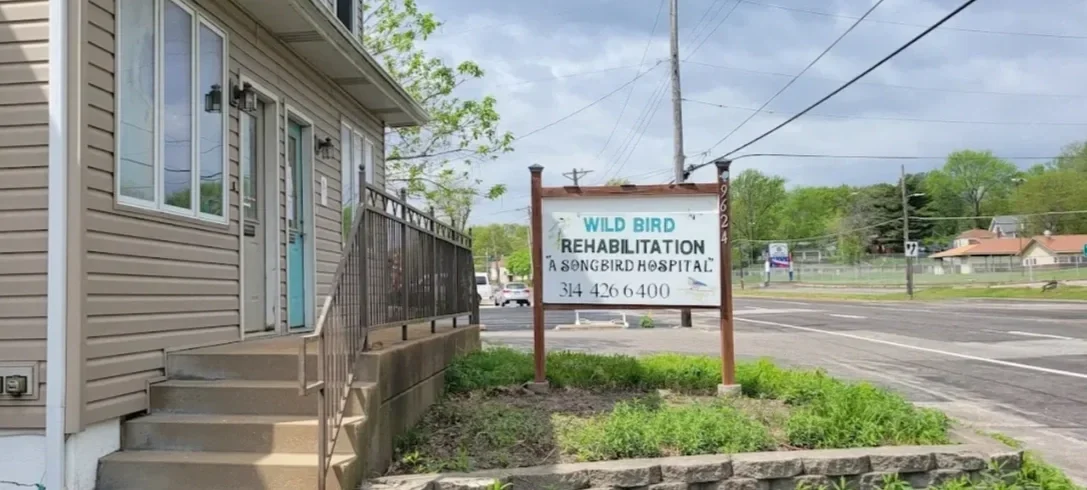
In 2005, WBR moved to its current home on Midland Blvd in Overland. This location provided a larger facility and an area to be used as an aviary for birds to transition to the outdoors prior to their return to the wild.
-
![]()
Taking Flight
During the first year of operation, WBR handled over 500 birds and 1,000 phone calls from the public. Last year WBR cared for more than 2300 birds representing over 100 different songbird species.
-
![]()
Spreading our Wings
WBR receives referrals from St. Louis city, county and state animal agencies as well as many veterinarians and other animal welfare organizations. Native songbirds cared for here are under federal protection as a result of the Migratory Bird Treaty and caring for these birds as a licensed rehabilitator requires both federal and state permits.
-
![]()
Our Flock
Wild Bird Rehabilitation is a 501(c)(3) nonprofit tax-exempt organization. We receive no federal or state funding and are supported totally by donations from individuals, corporations and fundraisers. WBR is staffed primarily by volunteers who donate their time to help area birds.
-
![]()
What's Next?
As WBR continues to grow and expand, we are always looking for more volunteers to help us care for our small patients! You can also follow us on Facebook and Instagram to keep up-to-date on what’s new here at our hospital.
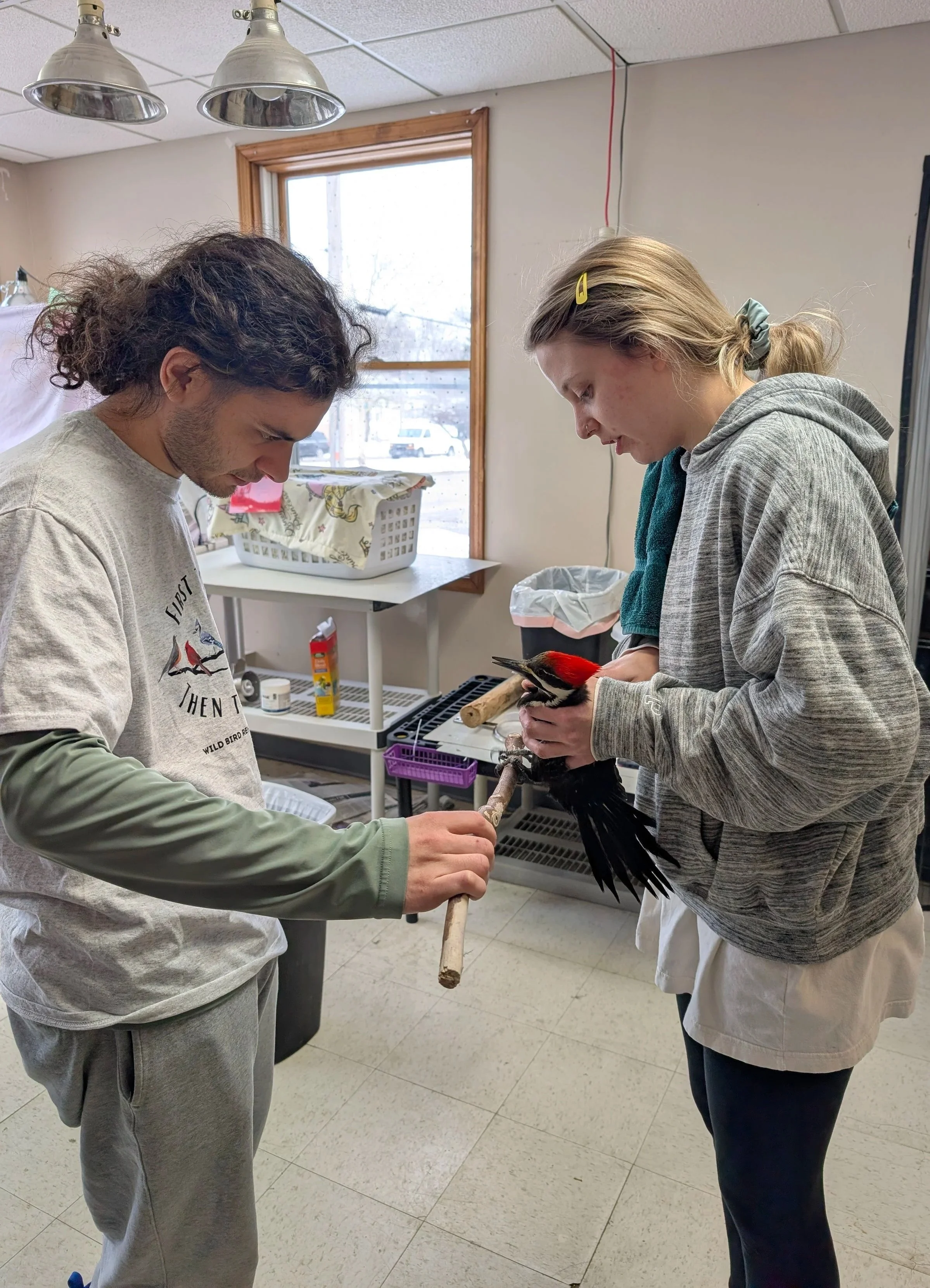
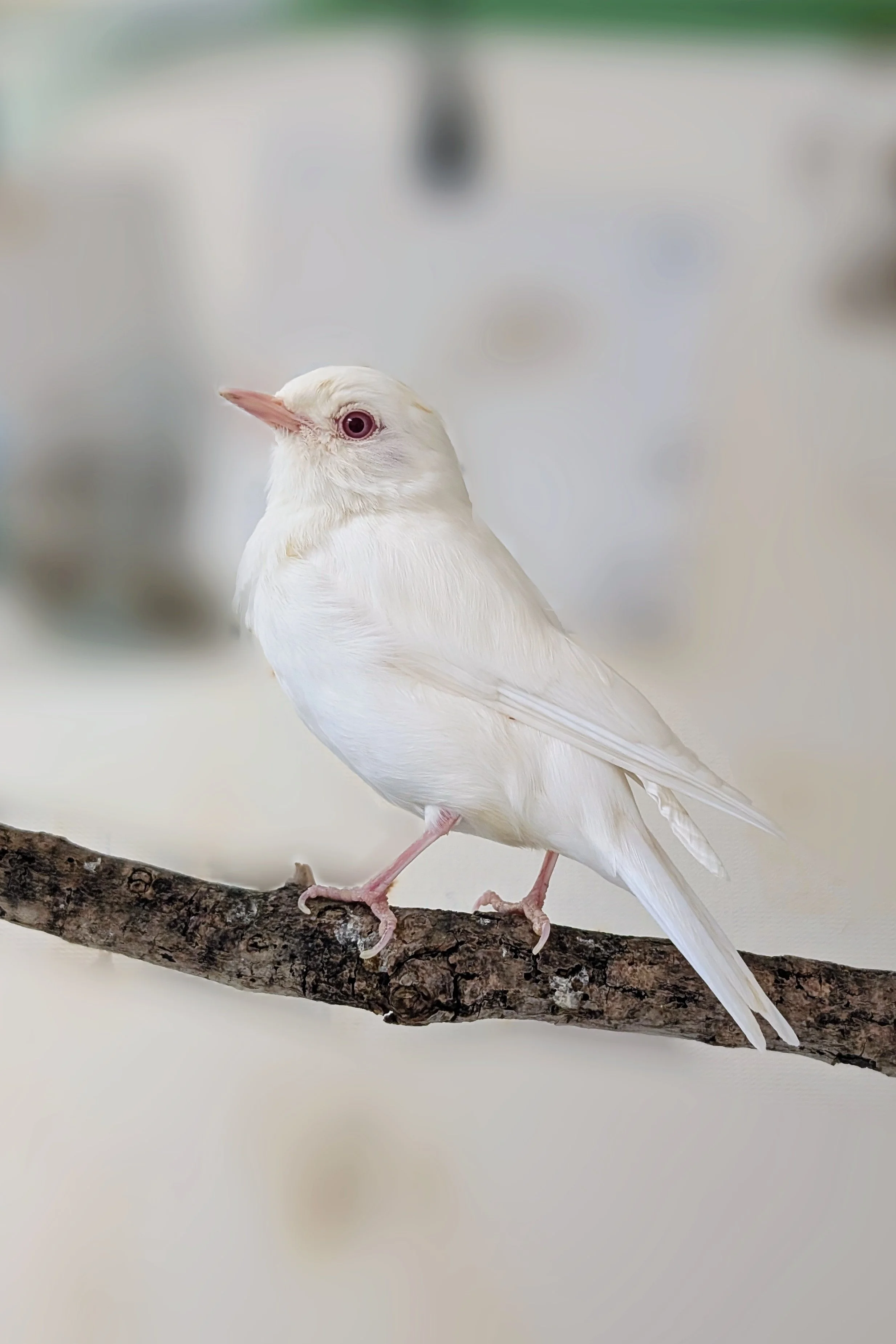
Help! I found a bird!
This information is to help you identify the problem, not necessarily resolve it. It is always our goal to avoid separating a bird from its family and/or native habitat. But in some cases this cannot be avoided. If the bird is sick or injured (such as bleeding, broken wing, etc.) it will always be necessary to bring the bird to Wild Bird Rehabilitation for treatment.
-
Hours: 9am-5pm, 7 Days a Week
Phone: 314.426.6400
Address: 9624 Midland Blvd., St. Louis, Missouri 63114 -
If you need to transport a bird to our clinic:
A shoe box with air holes in the lid and lined with a small paper towel works for most songbirds.
Do not give the bird food or water.
Handle the bird as little as possible.
Our address is: 9624 Midland Blvd, St. Louis, MO 63114
WBR does NOT pick up, patrol, or dispatch staff or volunteers off-site.
-
Visit the National Wildlife Rehabilitator's Association or Animal Help Now to find a resource near you.
-
Check out this page for further wildlife resources, including other local wildlife facilities and assistance with identifying birds and plants.
-
Please look at this chart to determine next steps.
-
If the bird is caught in something such as twine, string, or some type of garden mesh that restricts its ability to move and fly, have someone assist you while you slowly and carefully free the bird.
Please call us to discuss the next steps at 314.426.6400.
-
If the bird allows you to catch it and does not attempt to fly away, place the bird in a small box with a lid or a brown paper bag that can be fastened at the top. Line with paper towels for cushioning.
Please call us to discuss the next steps at 314.426.6400.
-
Use a small amount of corn meal to neutralize the sticky surface and to help avoid further injury.
Please call us to discuss the next steps at 314.426.6400.
-
If the egg was knocked out of a nest by the wind:
If you are able to locate the nest, gently replace the egg.
If you are unable to locate the nest, place the egg under a small shrub or bush.
Do NOT try to incubate. It is against the law.
-
Lock all pets away.
Darken room by closing blinds, shades and doors.
Leave open one exit -- large, bright and sunny -- for the bird to safely fly out.
If the above attempts are unsuccessful, call us at 314.426.6400 to get contact information for humane licensed wildlife control companies.
-
Before reading, please note that renesting is a last resort option — moving bird nests (especially without cause) is often illegal under the Migratory Bird Treaty Act. A nest should NEVER be moved more than four feet from the original nest. Please consult WBR first before moving forward with renesting.
-
Please call us at 314.426.6400 to discuss any of the following:
If a feathered bird allows you to pick it up.
If a bird is fluffed and lethargic.
If a bird flies a short distance and falls to the ground.
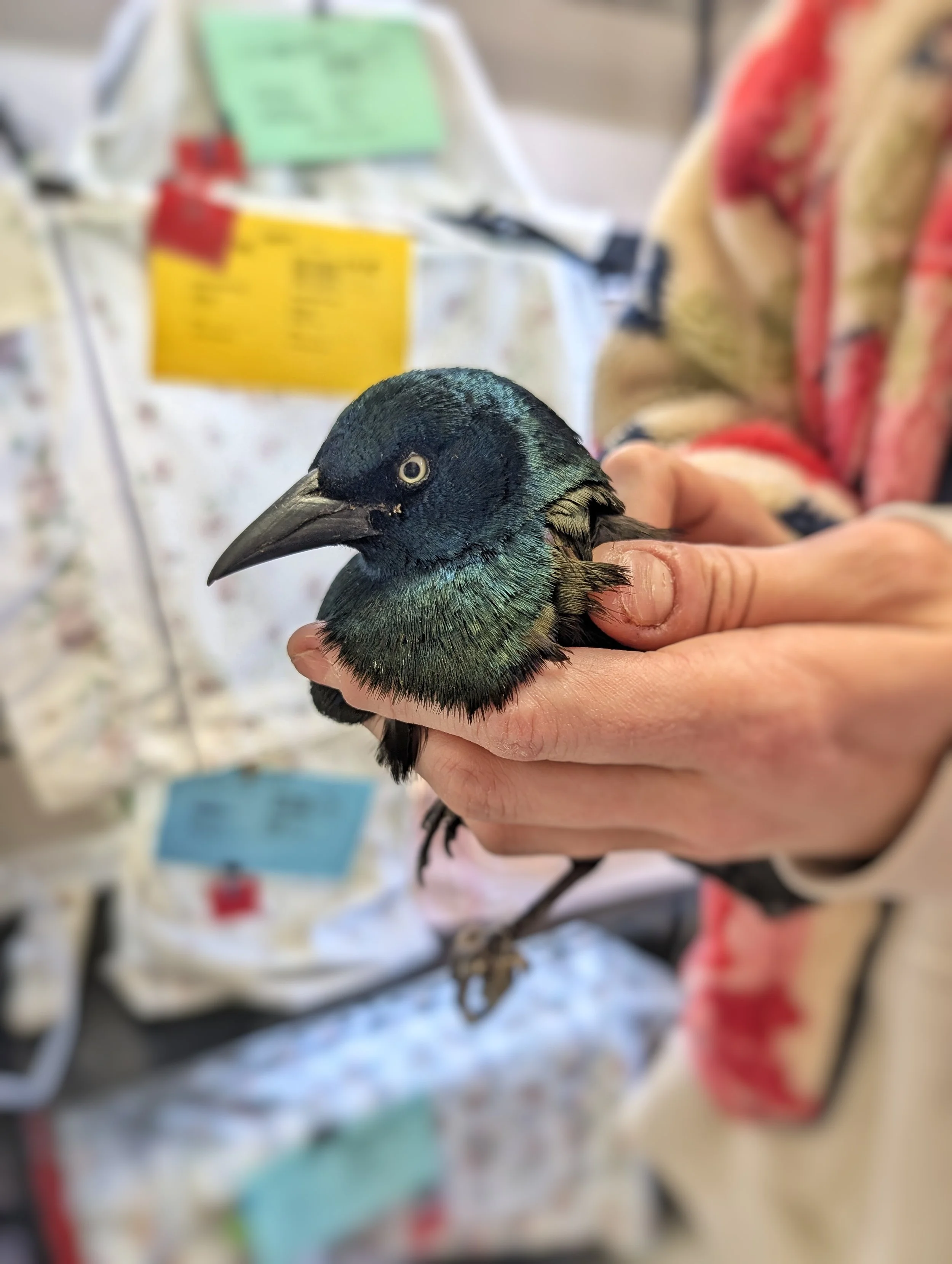
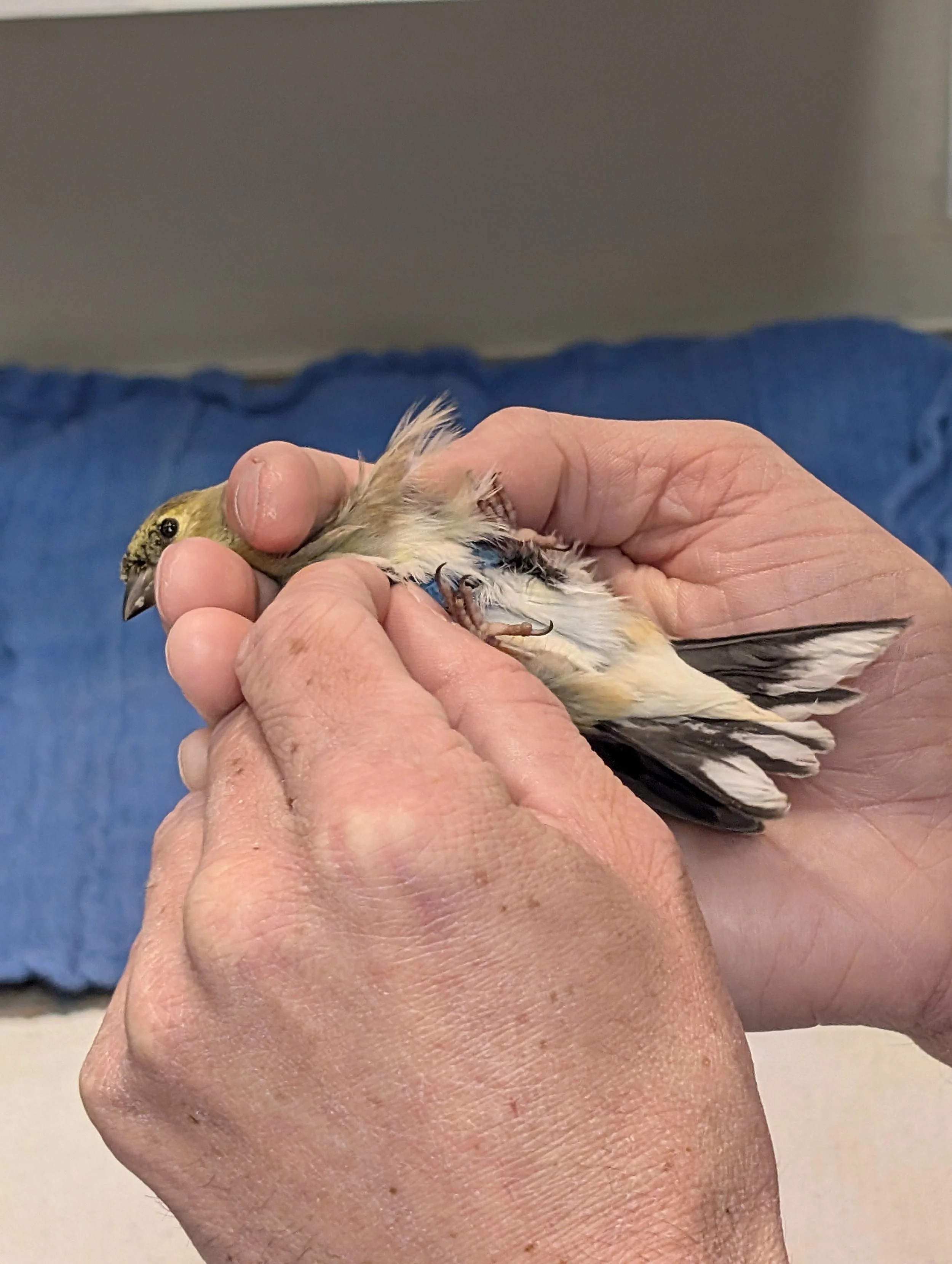
Join our team of volunteers!
Did you know?
WBR admits over 2,000 birds each year! It takes 80 - 100 volunteers to keep our facility going strong. Caring for our feathered friends is extremely rewarding. You can expect to learn, have fun, and — most importantly — make a difference!
There are many ways to help:
Work Directly With the Birds: Feeding + Cleaning Cages
Aviary Assistance + Bird Release
Medical / ER Assistance
Remote Phone Team
Clerical + Front Desk
PR: Fundraising, Publicity, Social Media
Education/Outreach: Open House, Booths, etc.
Gardening
Facility Maintenance
No prior experience or specific bird knowledge is required. We have a great training program and will teach you all that you need to know!
Volunteering isn’t the only way to help our feathered friends! Whether through monetary donations or supply donations, no act of kindness is too small for some of nature’s smallest patients. We are the primary organization in the State of Missouri exclusively devoted to the care of songbirds — without WBR, these birds would have no place to go for help. We rely solely on public donations, as we receive no federal or state funding. Wild Bird Rehabilitation is a 501(c)(3) nonprofit tax-exempt organization — all donations are tax-deductible to the full extent of the law.
Other Ways You Can Help!
Your donation will ensure the best possible care for every wild bird admitted to WBR.
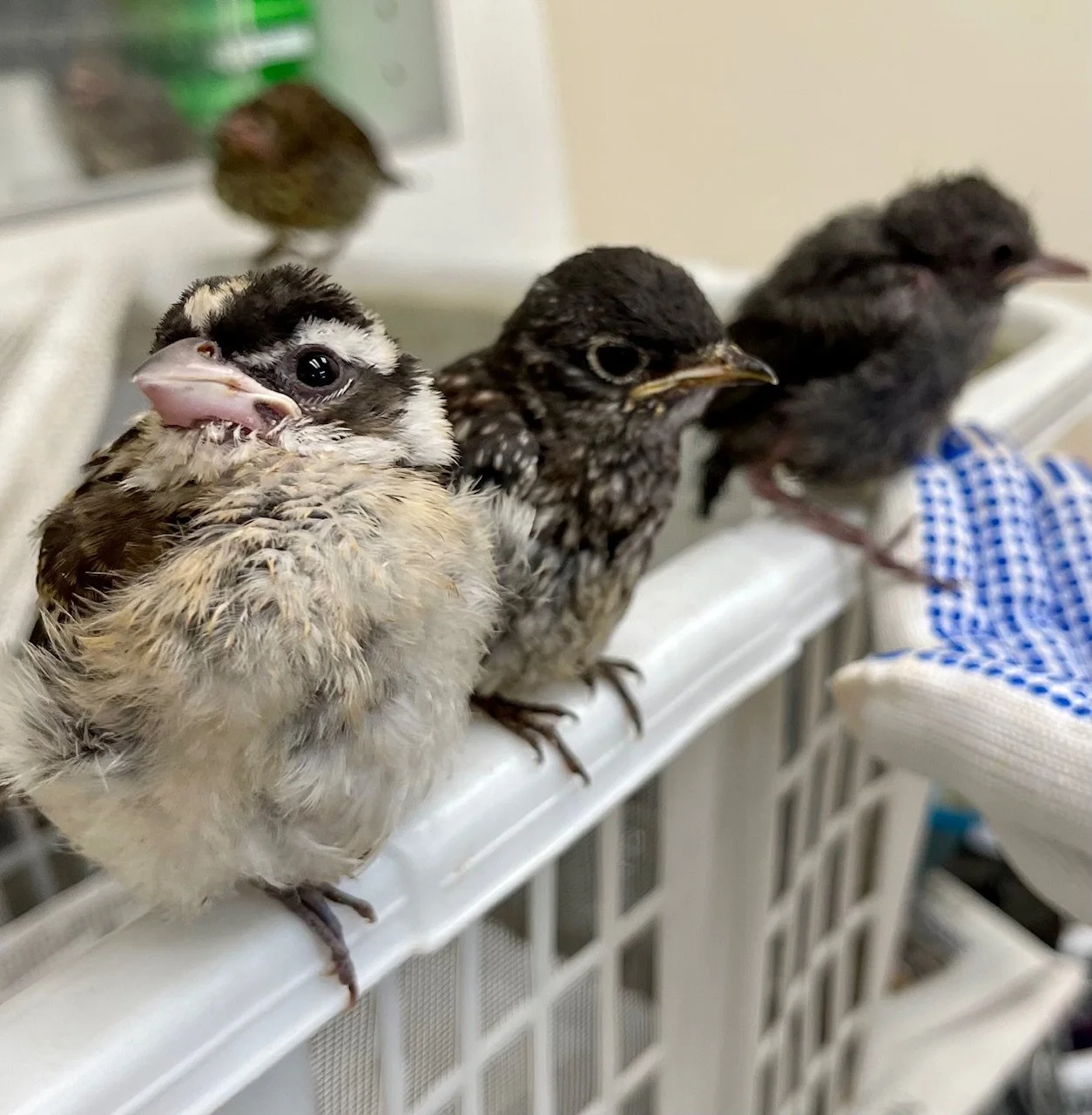
$68
Basic Care for One Songbird
Provides food for one fledgling for the average stay. This amount does not cover medical diagnosis and treatment.
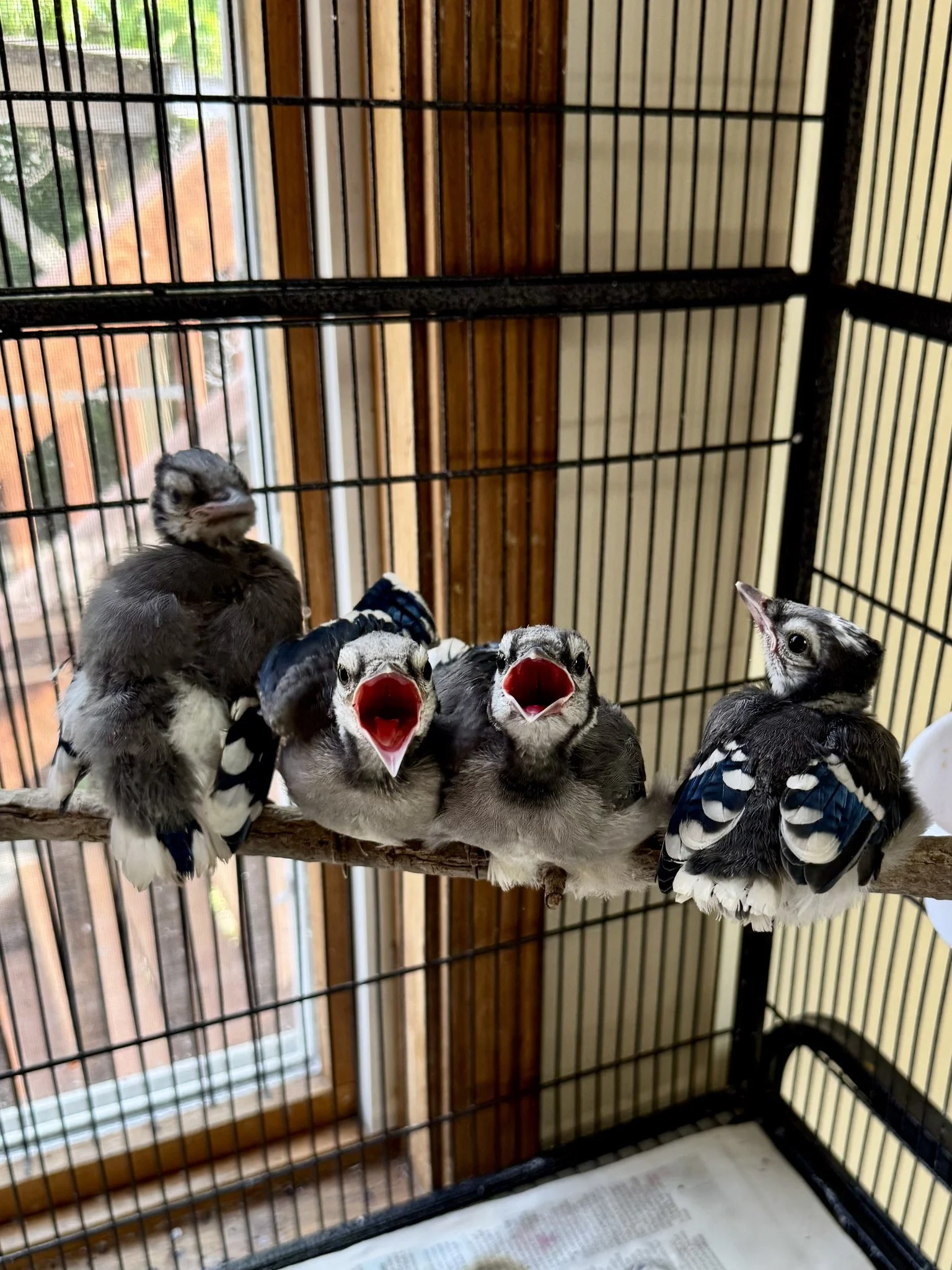
Basic Care for Two Songbirds
$136
Provides food for two fledglings for the average stay. This amount does not cover medical diagnosis and treatment.
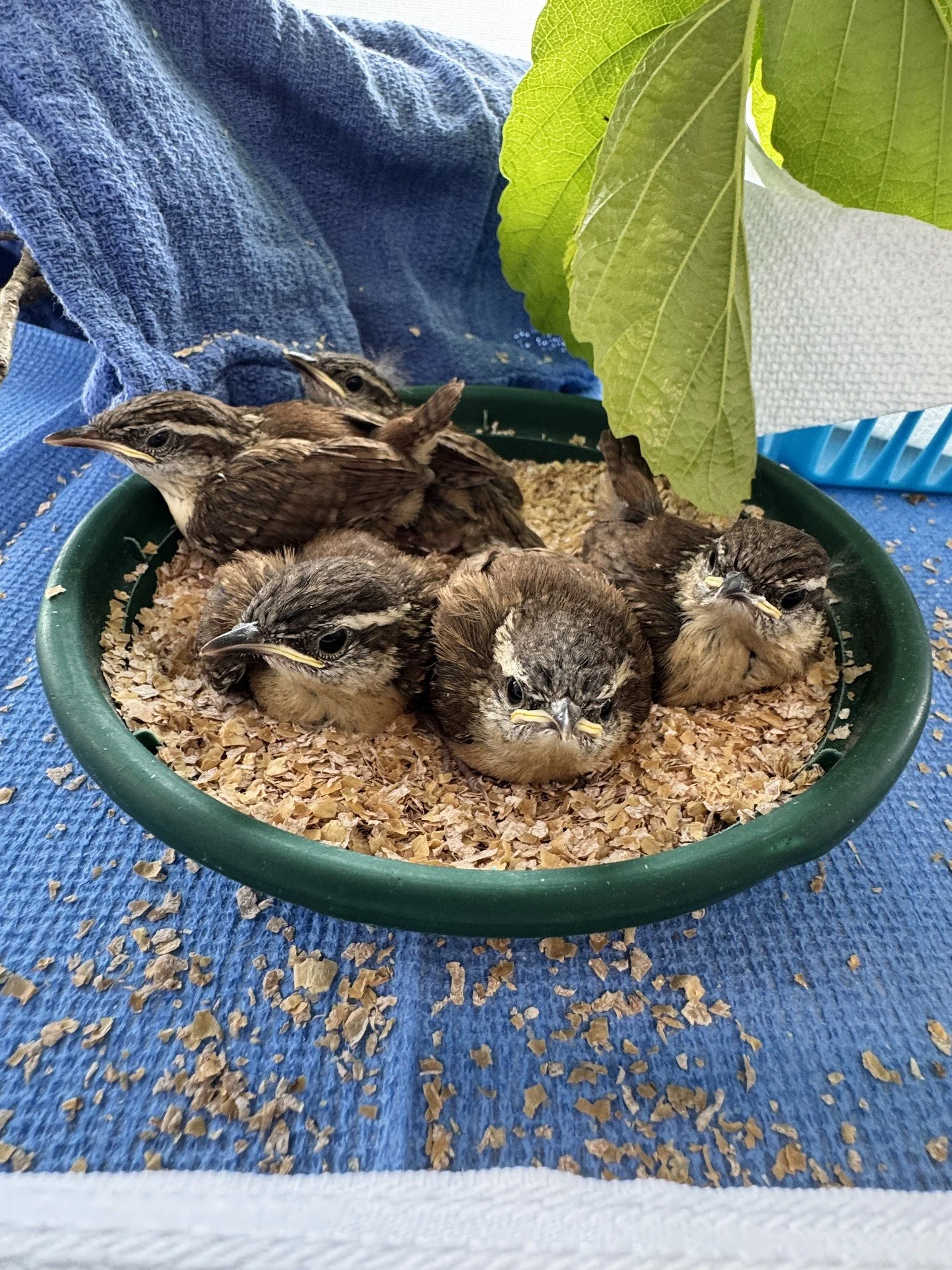
Help with Food & More
$500
Helps support clinic operations during the busy spring and summer months.
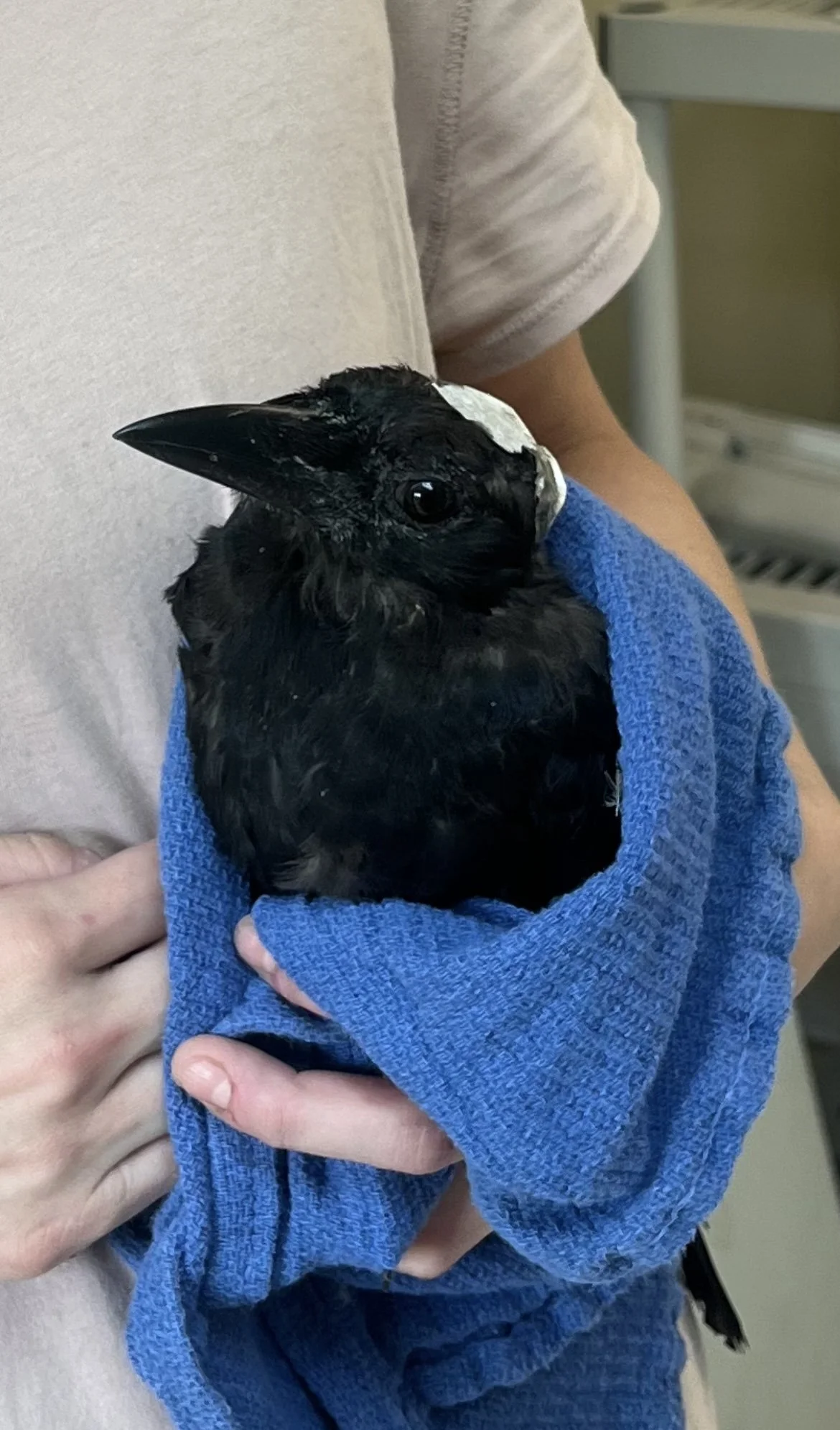
Or set your own amount — no gift is too small!
Your donation will help to ensure the best possible care for every wild bird admitted to Wild Bird Rehabilitation. We couldn’t do it without your help!
-
Select-A-Size Paper Towels
Unscented Toilet Paper
Bleach
Dawn (blue only)
Unscented Laundry Detergent
13 Gallon Trash Bags
Printer Paper
Command Strips
Distilled Water
Gift Cards for Walmart, Petco, Lowes and Home Depot
-
Lafeber Finch Granules
Science Diet Optimal Care Adult Cat Formula
Mealworms (regular size, not “super worms”)
Wax Worms
Earthworms (nightcrawlers, not red wigglers)
Kaytee Exact Handfeeding Formula (in the bird section)
Full Spectrum Lightbulbs (in the reptile section)
Spray Millet
Nut & Fruit Mix
Peanuts (both in and out of shells)
Sunflower (seeds and chips)
Bird Mirrors
Thistle
Unscented Puppy Training Pads
-
Benebac Powder
Syringes (1, 3, 10, and 20cc)
Gavage Tubing #12
Needles (25, 27, and 8-30ga)
Bag Balm
Granvlex Spray
Scissors
Hemostats
Tweezers
DMSO
Tribessen (Bactrim) (susp.)
Ophthalmic Ointment
Vet Wrap (3 x 2”)/ hurt free wrap / coflex
Gauze Wrap (3 x 2”)
Gauze Pads (4 x 4)
Gauze Pads (2 x 2)
Tape
Tagaderin
Non-Contact Thermometer
Heating Pads
Soothing Eye Wash
Band Aid Secure Flex Wrap
Dr. Teal’s Epsom Salt
KY Jelly
Tongue Depressors
Baytril (inj.)
Dexamethasone
Sodium Chloride
Liquid Stitch / New Skin
First Aid Kits
Pain-Free Wrap Rolls
A&D Ointment
Kwick Stop Styptic Powder
Wish List:
Meet the Team
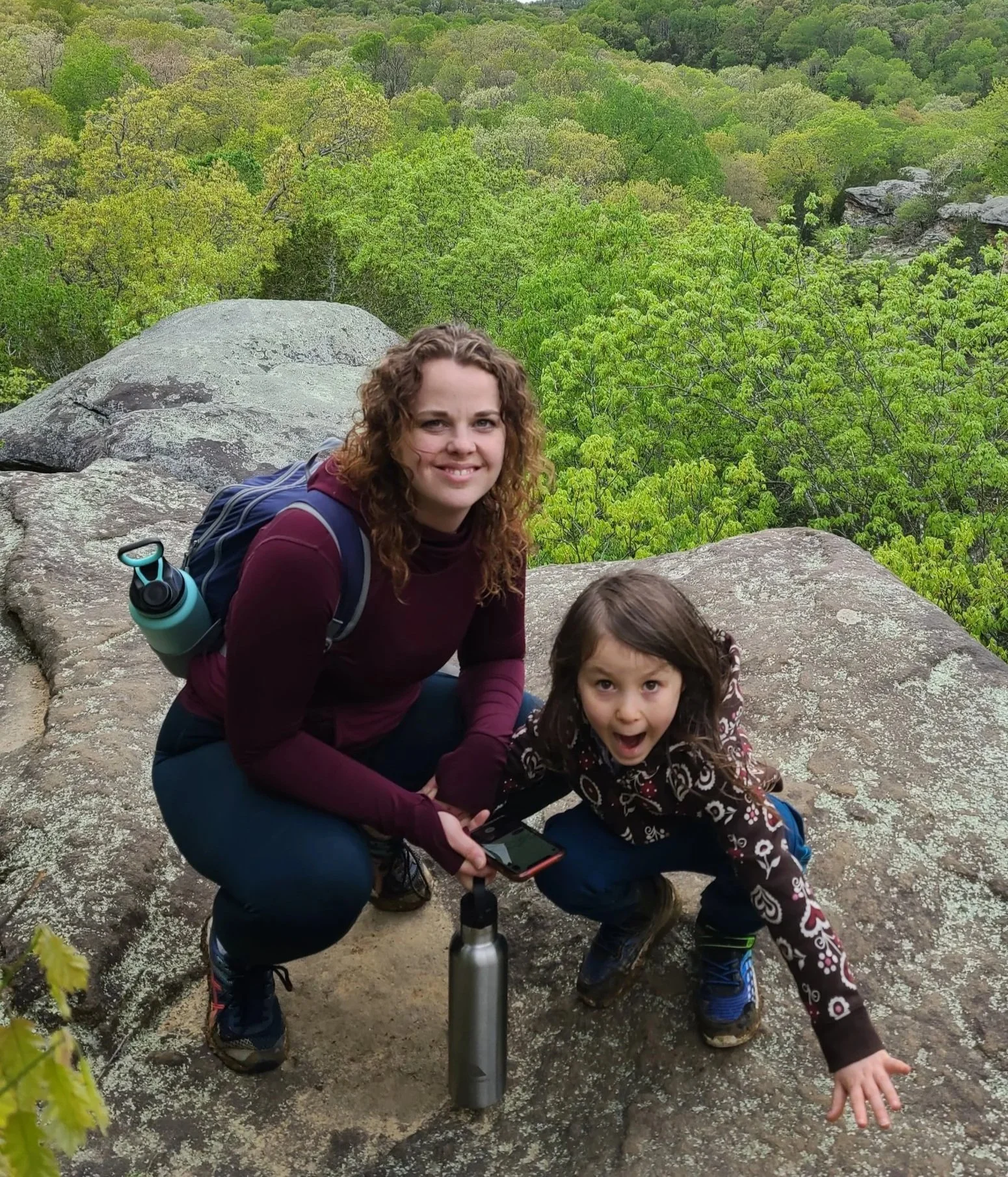
Briana Conley
Briana brings more than a decade of nonprofit leadership experience, grounded in advocacy and community engagement that continues to shape how she approaches mission-driven work. At WBR, that advocacy means speaking up for the animals in care, connecting people to the role songbirds play in our ecosystem, and working toward systems that allow wildlife to thrive. Briana is focused on supporting staff and volunteers while helping the organization grow, adapt, and meet the challenges ahead. When she’s not at work, Bri is usually outdoors hiking, paddling, climbing, biking, and camping, often recruiting friends to join her next adventure.
Favorite Songbird: Grackle (Though it’s always changing as she meets more!)
Executive Director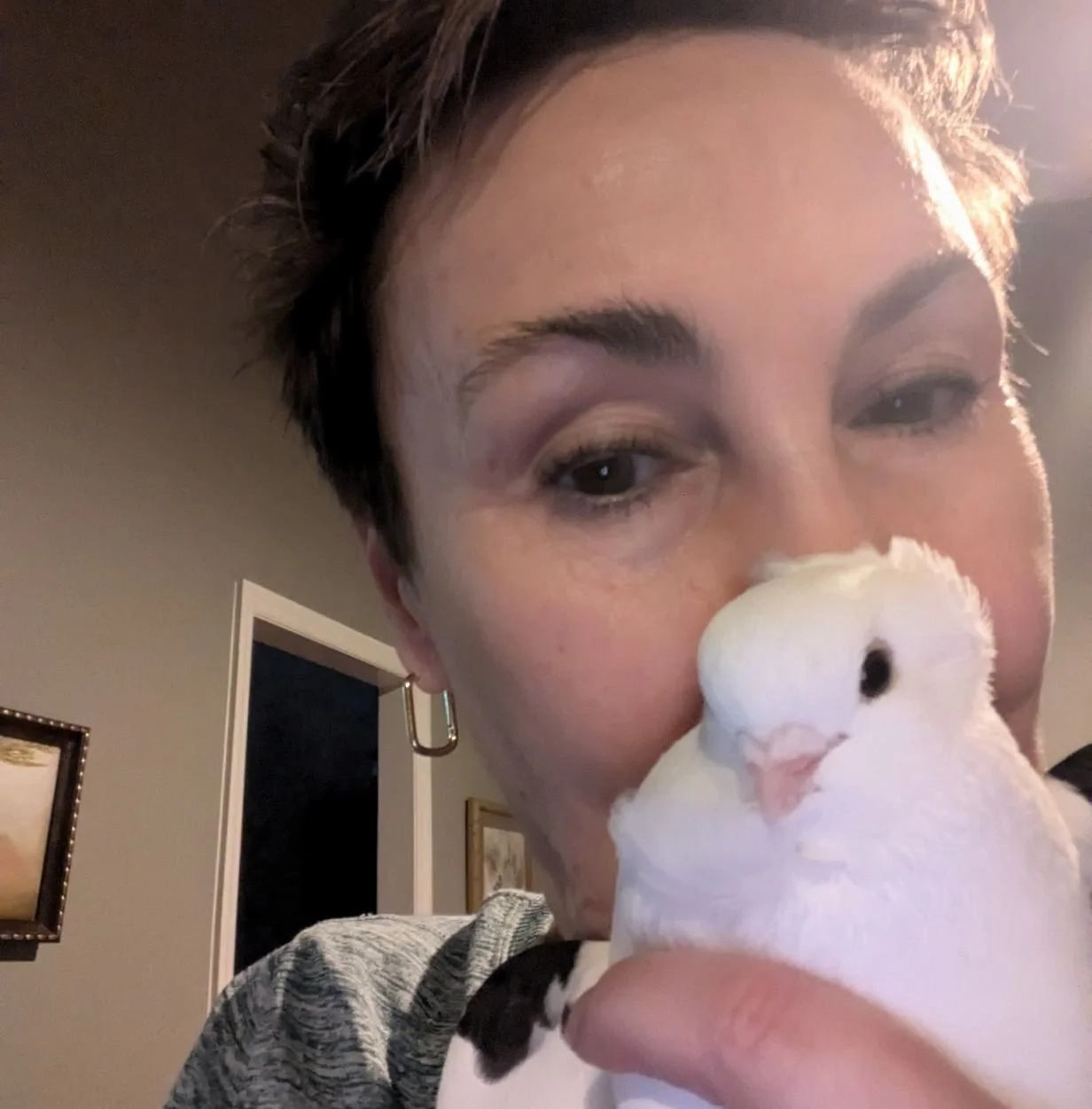
A retired paralegal, Diane has been involved with Wild Bird Rehabilitation for over 27 years. Her first rescued bird was a house finch, and ever since she began volunteering, she fell head over heels in love and has dedicated herself to helping each and every bird that’s come through our doors.
Favorite Songbird: The bird that she’s helping at that moment!
Board PresidentDiane Doster
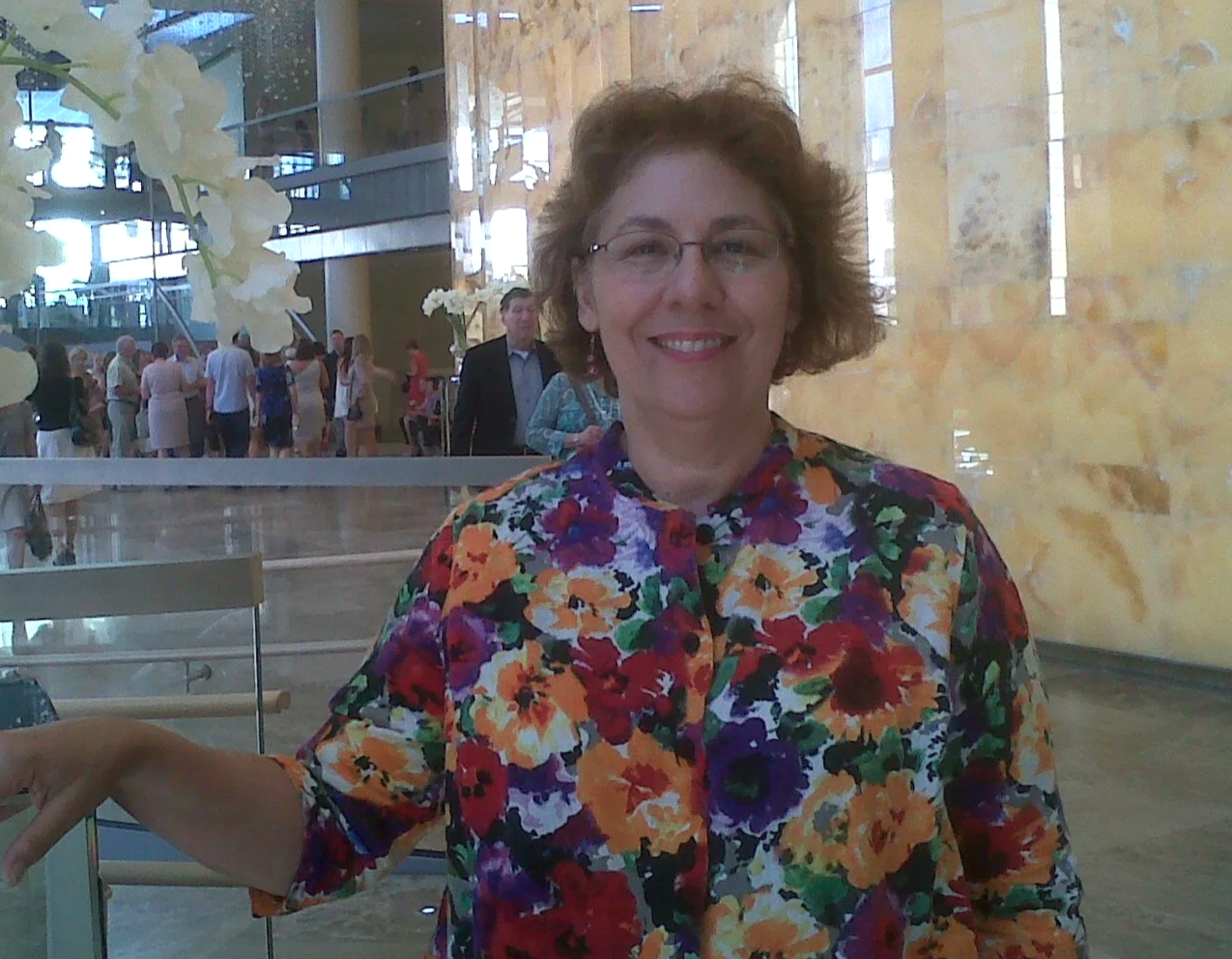
Board of DirectorsDebbie Benoit
Debbie is a retired lawyer who has been a volunteer at Wild Bird Rehab since 2017.
Favorite Songbird: Blue Jays — they’re beautiful and smart (a winning combination)!
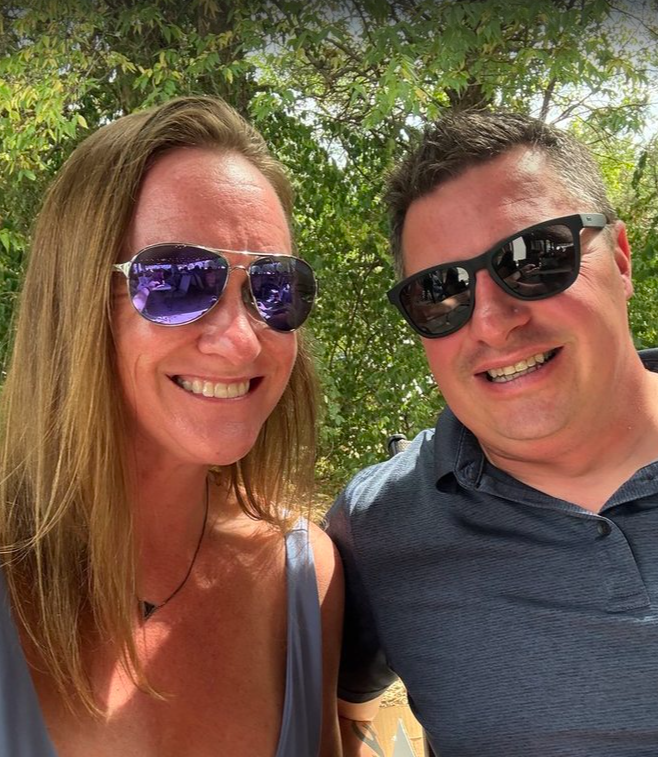
Brett currently serves in the Missouri Army National Guard and brings that same dedication to his 15-year career with BMO U.S. He’s proudly celebrating 16 years of marriage, and life is full and fun with their two boys and three dogs. He’s happy to support wild bird rehabilitation efforts, and is driven by service, family, and making a positive impact wherever he can.
Favorite Songbird: Northern Flicker
Board of DirectorsBrett Millecker
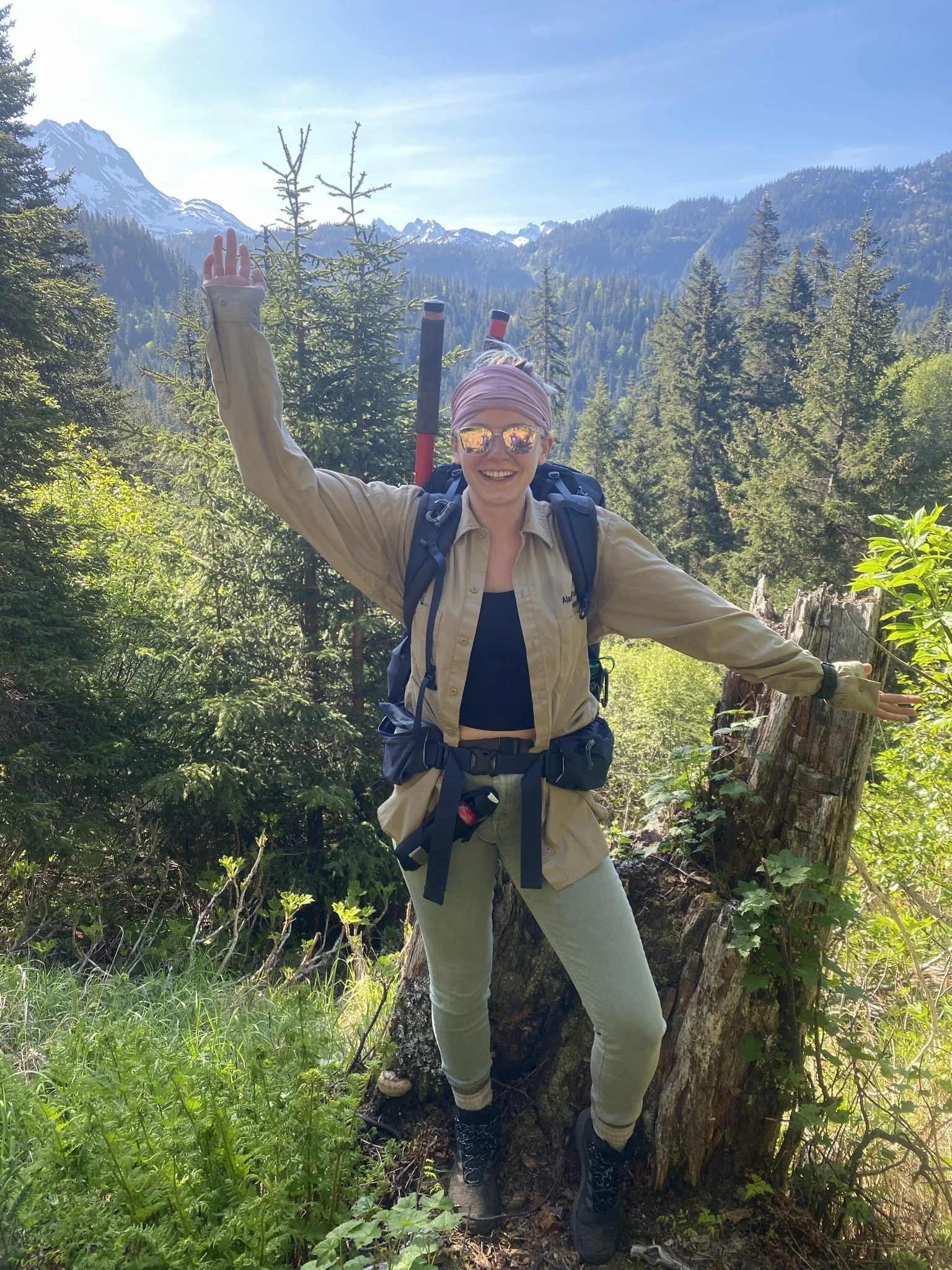
Lauren Richter
Avian TechnicianLauren is most often found in WBR’s medical area (also known as “AR”). She graduated with a bachelor’s degree in Natural Resource Science and Management with an emphasis in fisheries and wildlife, along with a minor in Captive Wildlife Management. One of her biggest passions at WBR is sprucing up our patients’ enclosures so that they mimic their life out in the wild — from foraging trays, to cutting fresh foliage, she loves this part of the job!
Favorite Songbird: Barn Swallow

Thomas Umhofer
Thomas has dreamed of working with birds ever since college, with a newfound passion rooted in rehabilitation. He’s lived in 11 different states in the last 4 years conducting avian field research and rehabilitation, and on top of that, he’s traveled across more than half the country! Whenever he’s not at WBR, Thomas enjoys running, hiking, watching sports, and — of course — birdwatching.
Favorite Songbird: Eastern Phoebe
Avian Technician